

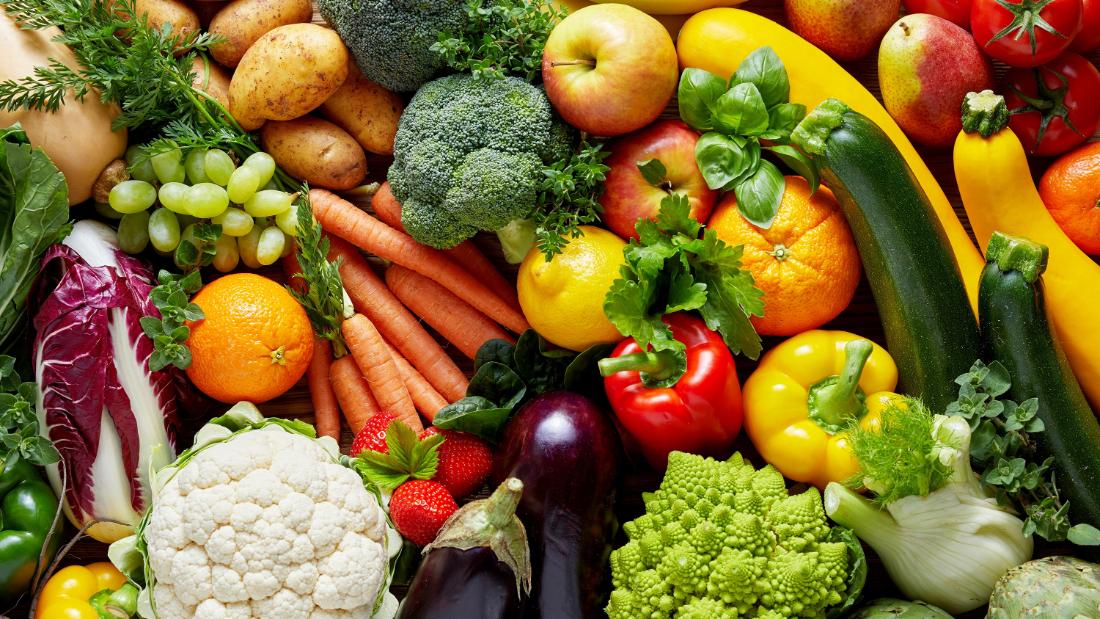
That doesn’t mean giving up takeout or that five-minute meal kit from the grocery store altogether. The dietary guidance encourages people to adapt these habits into their lifestyle.
The statement identifies 10 features of heart-healthy eating patterns — including guidance to combine a balanced diet with exercise; consume most nutrients through food over supplements; eat whole grains; reduce sodium, added sugar and alcohol intake; use non-tropical plant oils; and eat minimally processed, over ultra-processed, foods.
“What’s really important now is that people make modifications that can be sustainable in the long term,” said Alice Lichtenstein, director of Tufts University’s Cardiovascular Nutrition Laboratory and chair of the writing group for the AHA’s new statement.
The statement’s writing group evaluated literature and devised 10 features of heart-healthy dietary patterns. The group also expanded on the guidance, recognizing the need for sustainability and societal challenges that can be obstacles to achieving proper nutrition.
Make changes that go the distance
The focus of the AHA’s new guidance, Lichtenstein said, is to do what works for you, whatever dietary restrictions or cultural adaptions you want to make. Lichtenstein discourages people from making drastic changes based on fad diets — instead, sustained efforts in incorporating these healthy habits can be more beneficial in the long run.
Lauri Wright, chair of the department of nutrition and dietetics at the University of North Florida and national spokesperson for the Academy of Nutrition and


/GettyImages-1312297184-ff81113e3c2746828ff7540911c5cb7e.jpg "Is Tea Good for Blood Pressure Health?")



 By Dr. Pavan Pai